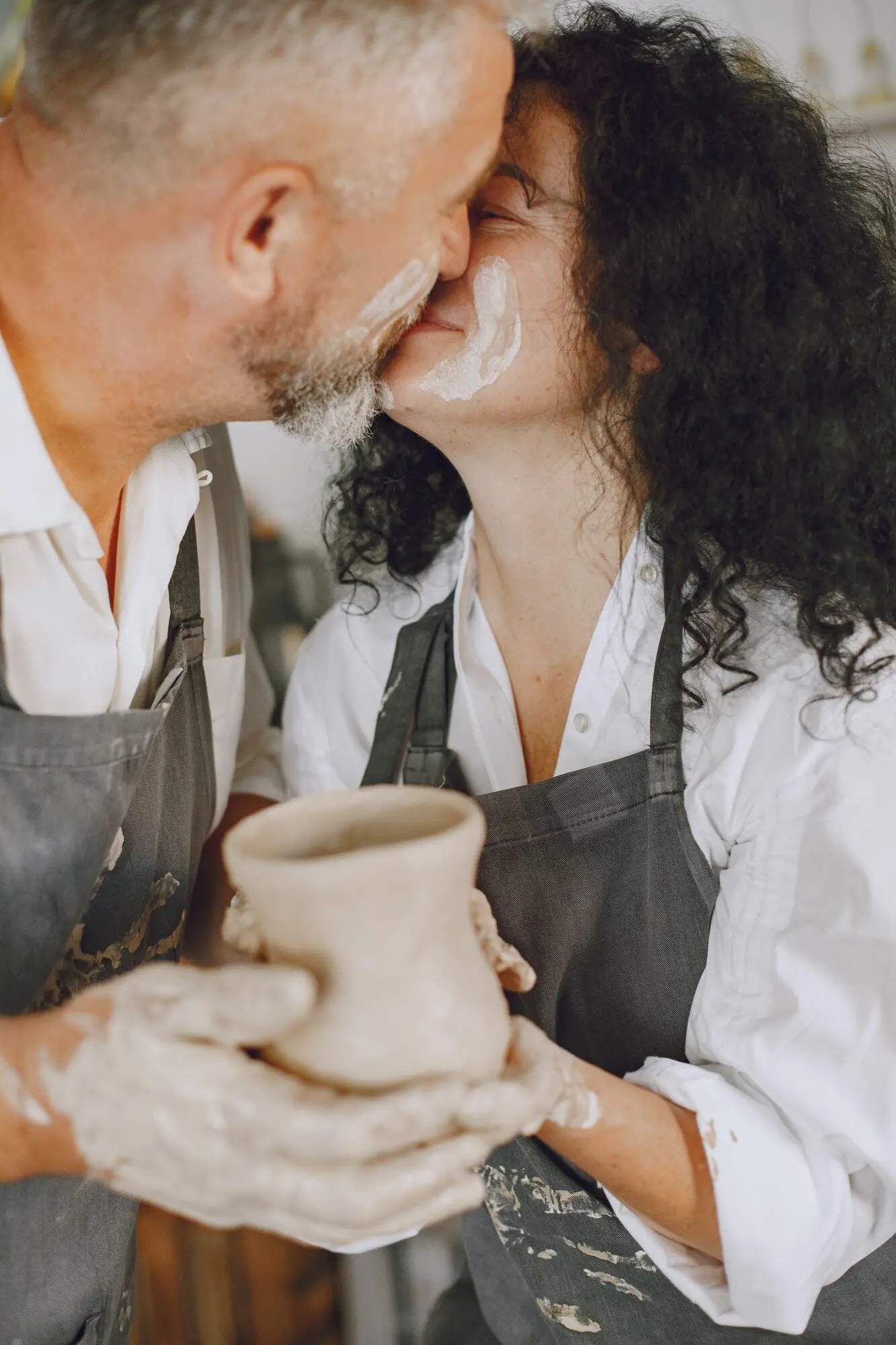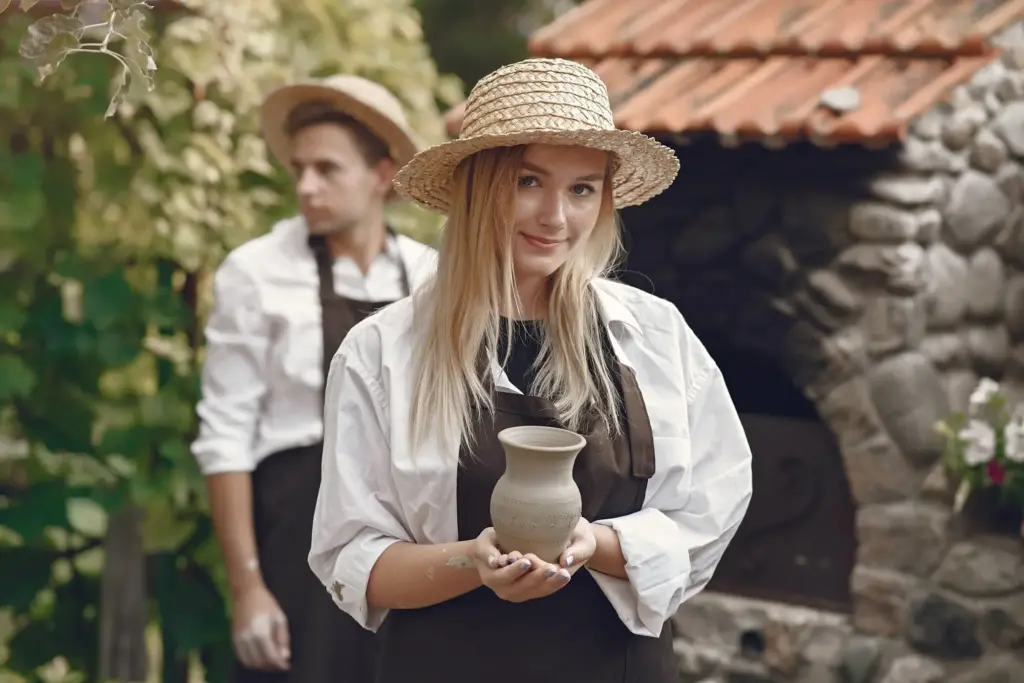
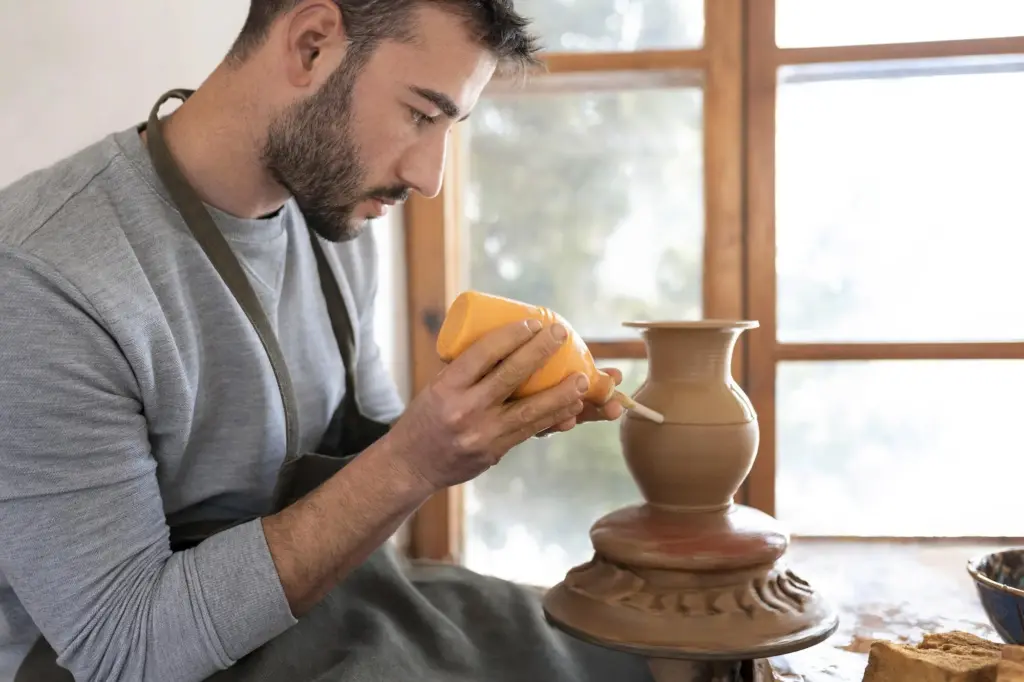

Without alarms or tour buses, the day begins when light reaches the workshop table and ends when stories quiet the room. This gentler rhythm helps kids settle, helps adults listen, and opens space for conversations that drift from materials to memories and home.
Meals happen at long wooden tables where sourdough meets mountain cheese or tide-fresh herbs. Hosts explain why wool felts better in cold water and how storms shape fishing weeks. Children pass bowls, learn courtesy, and hear local legends that make geography feel like family history.
You arrive curious and leave with muscle memory: the angle of a chisel, the pressure that centers clay, the rhythm of carding fleece. Certificates are unnecessary; confidence shows in children proudly wearing stitched pouches and adults packing gifts alive with fingerprints and place.
Little hands delight in dye baths, simple weaving, shell sorting, and spindle play, while teens handle carving basics, loom setups, or glazing. Clarify expectations, identify non-negotiable safety steps, and rotate activities so siblings each find pride, challenge, and restful pauses beside skilled, patient mentors.
Ask about baby gates, tool storage, pet temperaments, and shoreline distance. Confirm bed configurations, quiet hours, and blackout curtains for early sunsets or bright coastal dawns. When children rest well, workshops soar, tempers soften, and everyone greets the morning ready to learn, share, and explore.
Great stays begin with clear messages about allergies, arrival times, learning goals, and screen habits. Hosts appreciate knowing whether toddlers nap, teens journal, or parents hope to photograph processes. Share openly, listen carefully, and mistakes become teachable moments that weave respect through every shared hour.

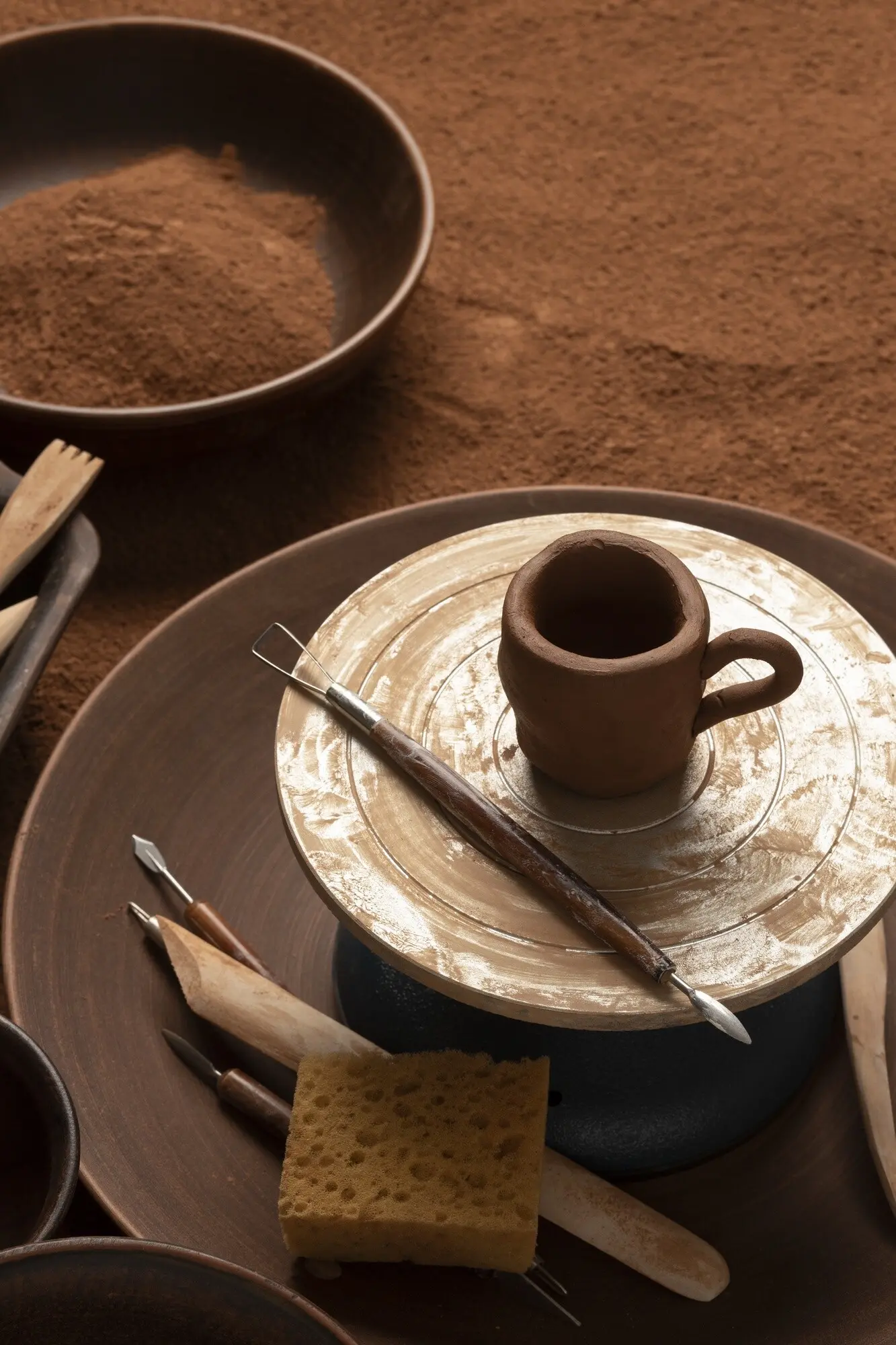
The wheel hums while waves keep count, helping beginners find breath and balance. Clay remembers touch; so do children, who name glazes after clouds and boats. When pieces dry, families walk the shore, practicing patience with skip stones, tide charts, and curious, sandy questions.
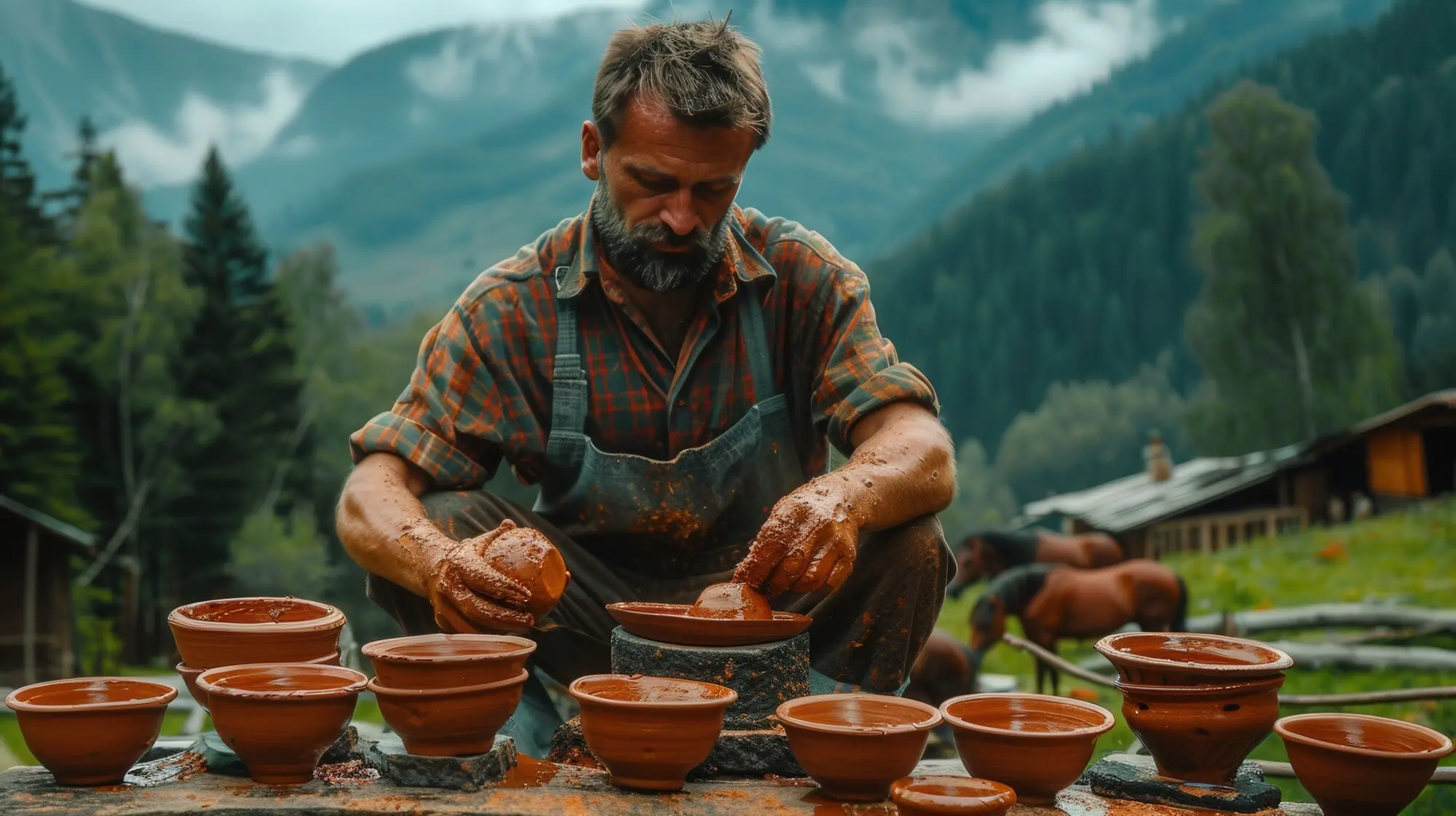
A seasoned fisher shows repair rhythms, where knot after knot brings strength back to weary mesh. Kids learn steady hands; adults notice metaphors for family life. Back at the table, stories surface about storms survived, neighbors helped, and harvests shared when the sea turned generous.
Evenings end with charts and stars, as ropes dry and hulls creak softly. A host points out navigation stories; children trace Orion with biscuit crumbs. Quiet settles, salty and warm, and families realize the workshop extends skyward, teaching direction, patience, and trust in changing light.
Mountain snowmelt opens pastures for wool work, while calm autumn seas favor clay drying and net repairs. If schedules allow, travel midweek to reduce crowds and costs. Build buffers around storms and feasts, and cherish unscripted afternoons when learning happens best through play.
Instead of chasing discounts, ask how fees support apprentices, utilities, and material sourcing. Transparency builds solidarity. Plan for contingencies, like rescheduling due to weather, and for souvenirs that are handmade by your family. Leave enough days so value grows deeper than price.
Exchanges do not end at the door. Send photos of finished spoons in everyday use, share recipes you adapted, and recommend hosts carefully. Children can mail thank-you drawings. Friendships strengthen futures, and future trips feel less like bookings and more like returning home.