Ride the Handcrafted Frontier

Set your cadence for Cross-Border Craft Cycling Routes: pedal between studios, markets, and heritage guilds while discovering how makers shape regions and riders stitch countries together. We’ll share planning wisdom, on-the-road etiquette, heartfelt encounters, and practical packing tips so you can roll confidently, support artisans fairly, and return home with stories, skills, and souvenirs that never needed bubble wrap.

Finding Artisans Off the Main Road

Tracing artisans often means leaving signed routes for farm cuts and cobbles. Use community maps, follow chalk arrows from festival committees, and trust bakery lines. If you get lost, ask for the potter; directions unfurl magically when clay is mentioned.

Navigating Checkpoints with a Friendly Smile

Small posts can feel intimidating, yet a smile and clear plan ease passage. Carry maker invitations, list workshop addresses, and show your panniers. Officers brighten when gifts are experiences, not contraband, and many will recommend a cousin’s weaving loft beyond the ridge.

Seasonality, Festivals, and Open Studio Days

Time the trip around feast days when bells, banners, and open doors animate narrow streets. Festival routes sometimes include night rides between studios. Book beds early, learn a greeting in both languages, and leave cushions in your schedule for unexpected kiln openings.

Studios That Welcome Cyclists

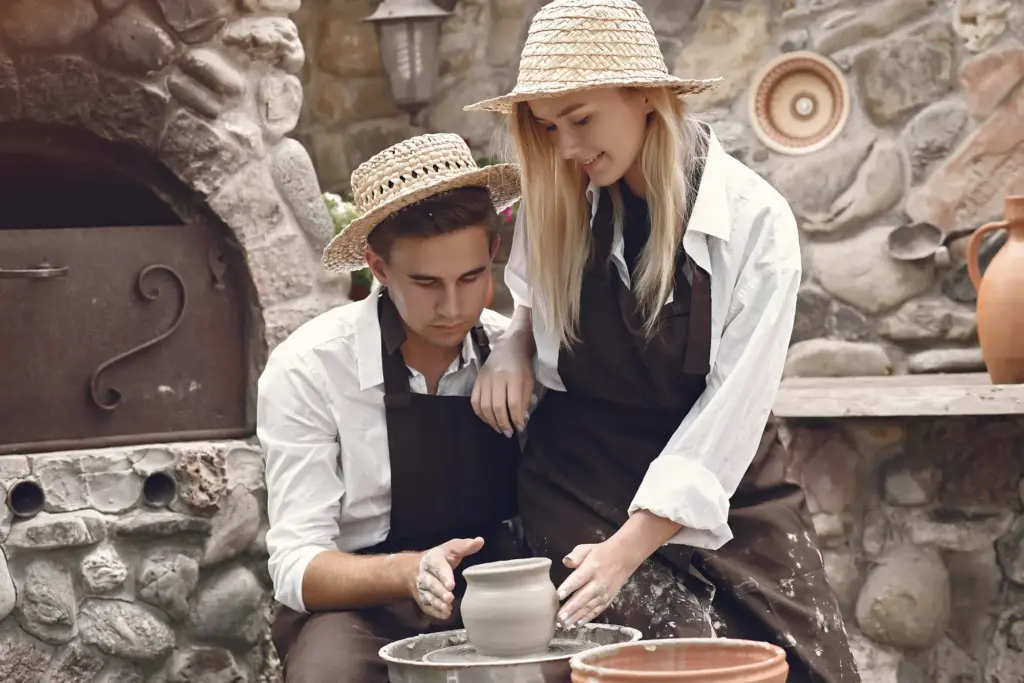
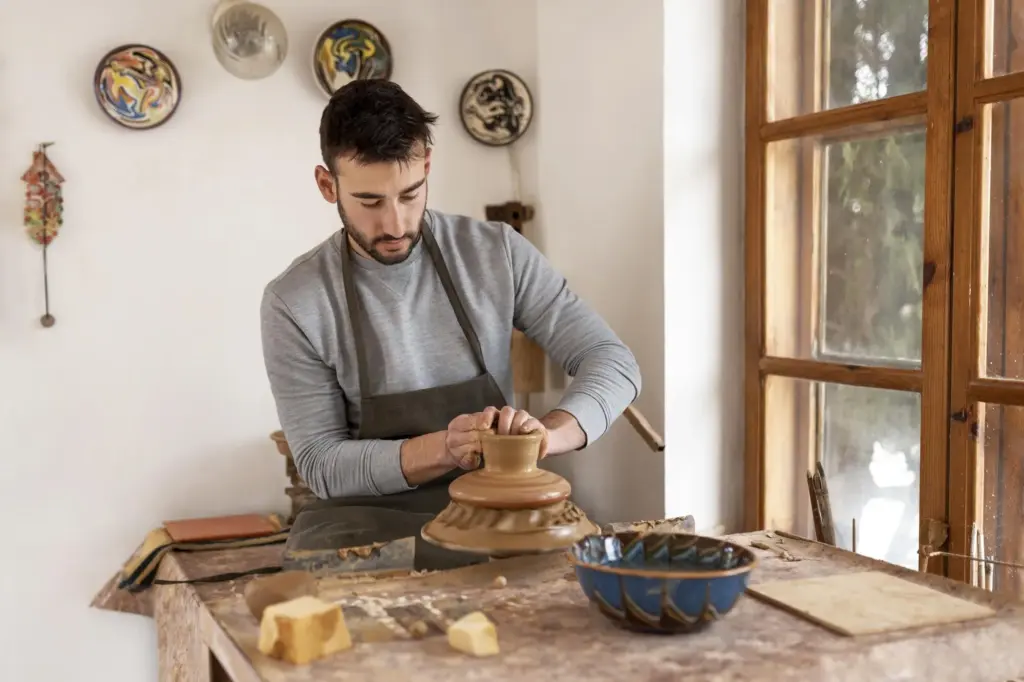
Some workshops set out bike stands, water, and a chair near the wheel or loom. Seek places where demonstration fees go straight to hands shaping clay, cloth, or glass. Ask permission before photos, offer to sweep, and trade trail intel for glazing, dye, or annealing tales.
Markets Where Wheels Meet Stalls

Markets wake before sunrise, and bicycle bells mingle with vendor jokes, coffee steam, and bargaining rhythms carried across borders by cousins. Study coin sizes, carry small notes, and remember kindness outbids cunning. Pack gently, tip musicians, and ask permission before leaning frames against antiques.

Heritage Guilds and Living Traditions

Beyond storefronts, traditions breathe inside guild halls where apprentices learn from elders who repaired plows, tuned bells, and embroidered borders long before treaties. Ask about charters, witness oaths, and notice how craft lineages cross maps more gracefully than politics ever managed.

Stamps, Passports, and Craft Trails

Some councils maintain playful passports that gather wax seals at studios and fairs. Collect them as storytelling prompts, not trophies. A full page means many hands welcomed you, and your ride served as a bridge the way threads connect separated hems.

Apprenticeship Stories That Cross Languages

Workbenches become classrooms where dialects tangle like yarn. Laugh at mistakes, sketch processes, and trade a song from home for a knotting technique. Shared making dissolves borders quickly, especially when tea kettles whistle and someone’s grandmother corrects your hands with warmth.

Reviving Techniques Through Community Rides

Join community spins to forgotten chapels, mills, and quarries. Volunteers explain lost stitches or bell harmonics while you coast between hedges. End rides with potlucks where recipes cross frontiers happily, proving heritage survives best when wheels keep turning and stories remain shared.

Gear, Safety, and Sustainable Travel

Responsible travel keeps villages vibrant. Choose durable tires for cobbles, dynamos for dusk, and racks that resist playful goats. Carry a basic translation card, insurance details, and reflective bands. Yield to livestock, buy snacks locally, and pack out everything, including the rumor of shortcuts.

Stories from the Saddle

Every border crossing adds a thread to your riding tapestry, and every maker adds color. We publish route updates, artisan interviews, and gear tweaks shaped by your letters. Subscribe, share your GPX, and tell us who deserves a visit on the next ride.
Nilosirarinodari
Privacy Overview

This website uses cookies so that we can provide you with the best user experience possible. Cookie information is stored in your browser and performs functions such as recognising you when you return to our website and helping our team to understand which sections of the website you find most interesting and useful.